Tour News
What Bullpadel Show 06 and Reserve Cup Marbella Revealed About the Future of Padel
Dmitry Stepanov29 Jun 2026
Indonesia’s padel market is one of the fastest-growing in the world, and Jakarta has become one of its most interesting testing grounds. Over the past two to three years, more than 50 clubs have opened in the capital alone, and the number keeps rising. What makes the market especially compelling is not just the speed of expansion, but the quality of ideas now entering the space. In Jakarta and Bali, padel is no longer only about sport — it is becoming a lifestyle category. That is exactly why S
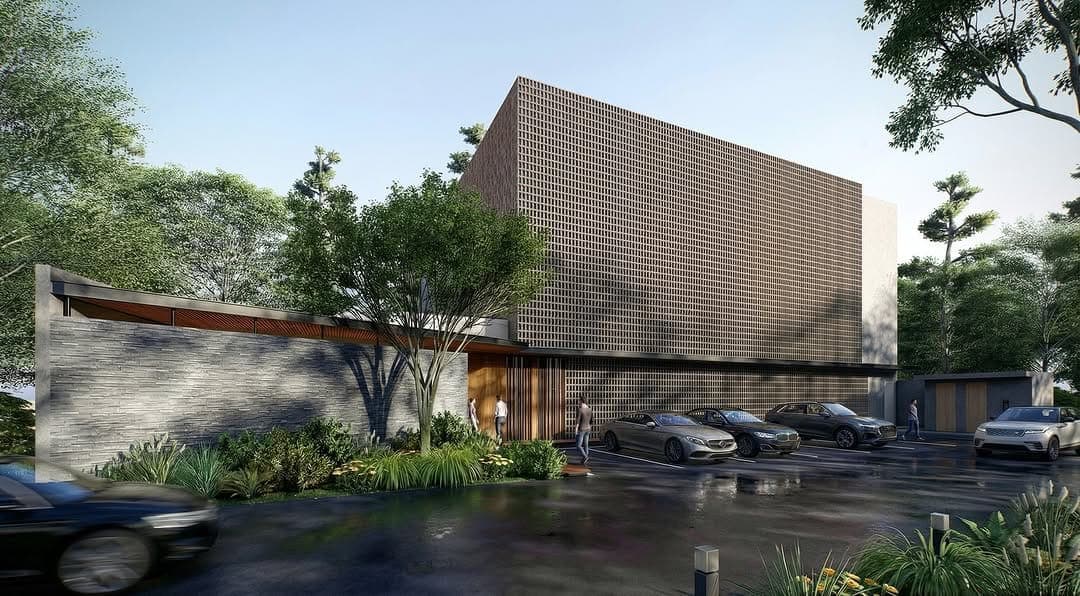
Indonesia’s padel market is one of the fastest-growing in the world, and Jakarta has become one of its most interesting testing grounds. Over the past two to three years, more than 50 clubs have opened in the capital alone, and the number keeps rising. What makes the market especially compelling is not just the speed of expansion, but the quality of ideas now entering the space. In Jakarta and Bali, padel is no longer only about sport — it is becoming a lifestyle category.
That is exactly why SEI Padel caught my attention.
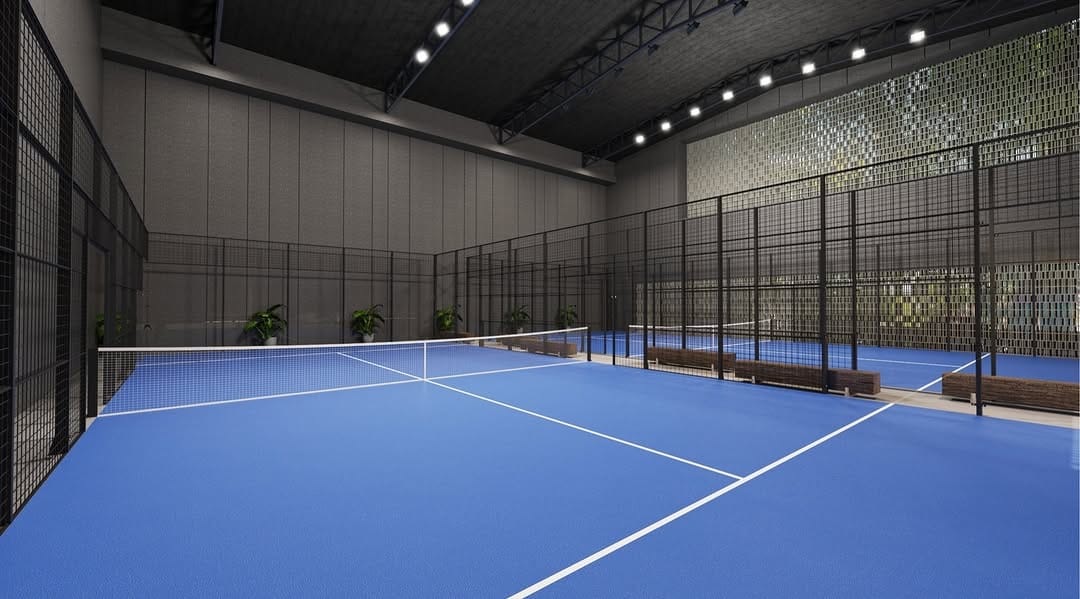
At first glance, it is a compact club with just two courts. But the moment you look closer, it becomes clear that SEI Padel is not trying to compete on scale. It is building something more specific: a hospitality-led padel concept with a Japanese-inspired identity, where the courts are part of a much broader guest experience. It feels calm, considered, and deliberately designed to make people stay longer.
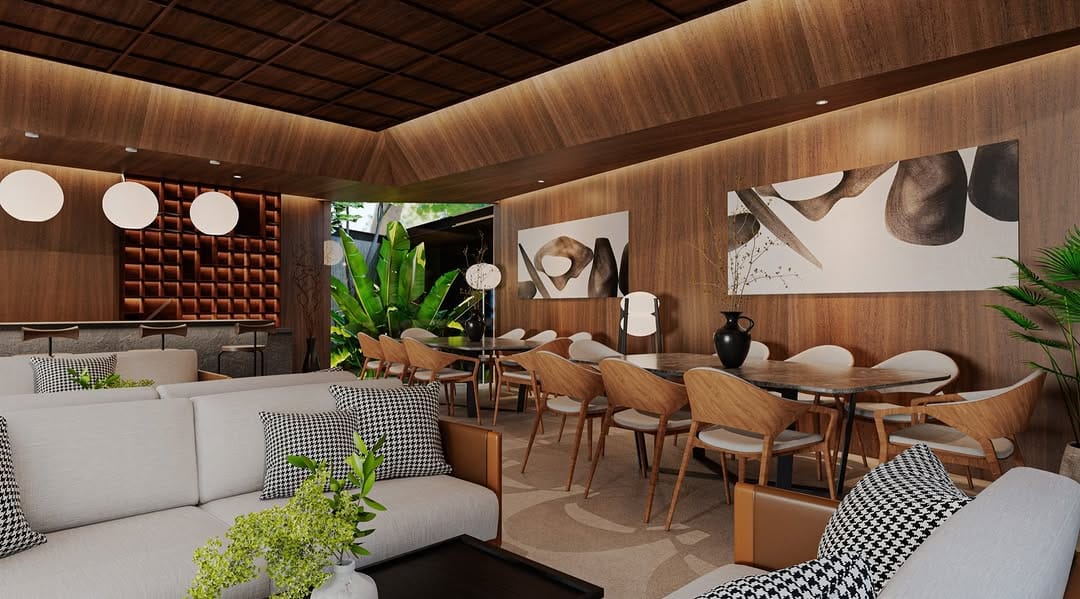
A game at SEI Padel costs around $20–25 per hour, which places it comfortably in the premium segment of the market. But the price is only part of the story. What makes the club interesting is the way it combines sport with atmosphere, design, and dining. This is not a venue that asks guests to come, play, and leave. It invites them to settle in.
The dining element is a big part of that appeal. SEI Padel feels less like a basic sports club and more like a destination where you can move naturally from court time to a bowl of ramen, chicken teriyaki, or another Japanese-inspired dish. That detail matters. It turns the club from a utility-driven facility into a place with a stronger identity — and in a competitive market, identity is everything.
I have always believed that clubs with fewer than four courts often face more operational pressure than commercial advantage. Small-format clubs can absolutely work, but only if the concept is strong enough to justify their scale. That means the experience has to be sharp, the service has to be thoughtful, and the atmosphere has to feel intentional. SEI Padel seems to understand this very well.
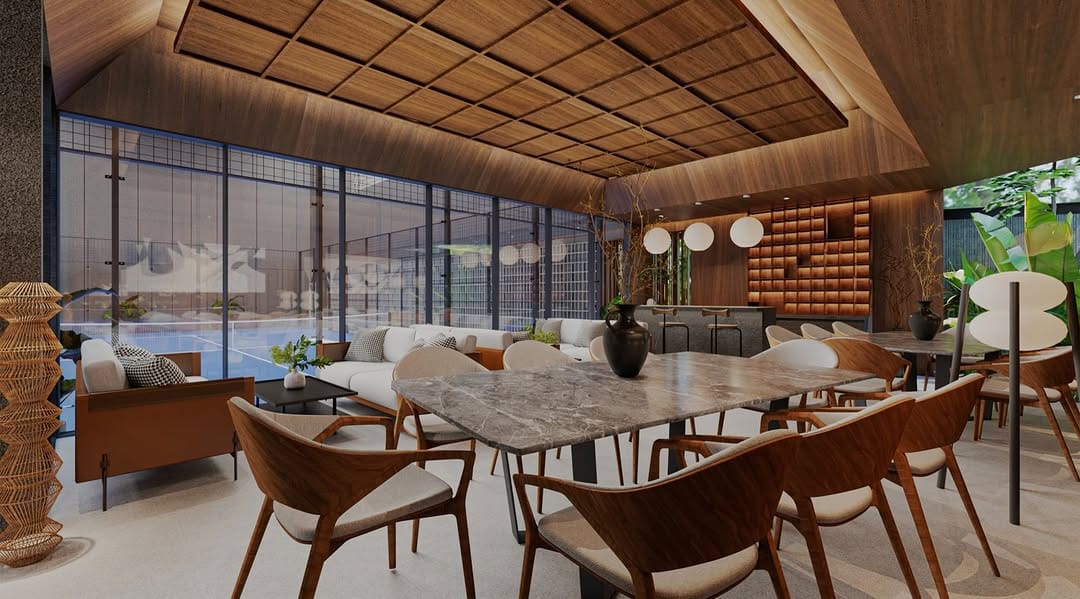
What I find most interesting about the project is how naturally it reflects the direction padel is taking across Asia. The best clubs are no longer defined only by how many courts they have. They are defined by the kind of environment they create, and by the value they add beyond the game itself. In a market as dynamic as Indonesia, that distinction matters more and more.
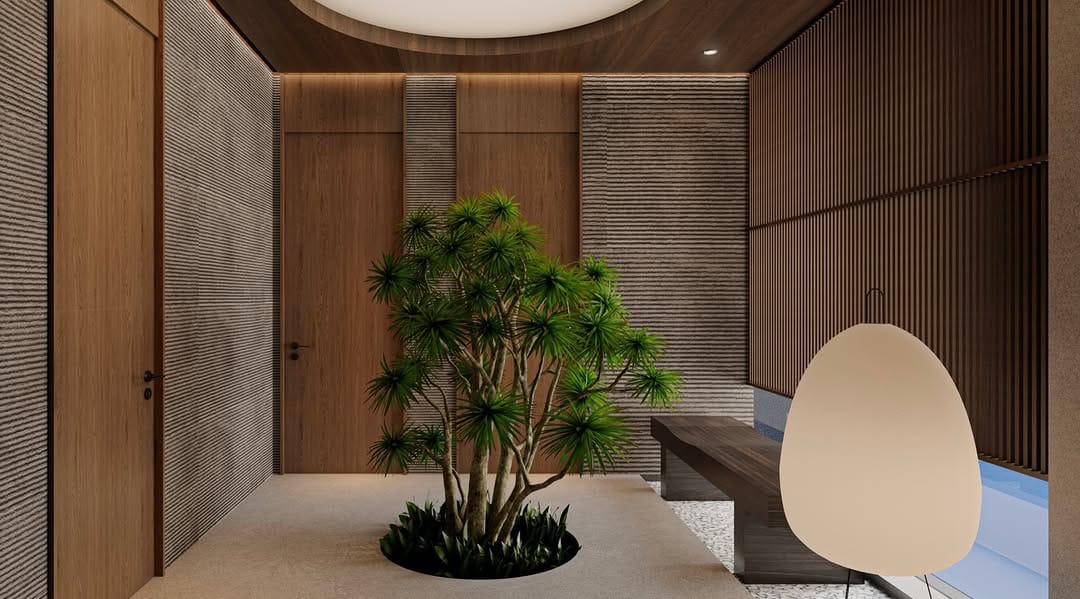
For me, the lesson is simple. It does not really matter whether you open one court or twenty. What matters is the meaning you put into the space, the clarity of the concept, and the experience your guests take away with them. The clubs that will stand out in the long run are not necessarily the biggest ones — they are the ones people actually want to return to.
SEI Padel is a strong example of that thinking. Small in scale, but clear in identity. And sometimes, that is exactly what makes a club memorable.